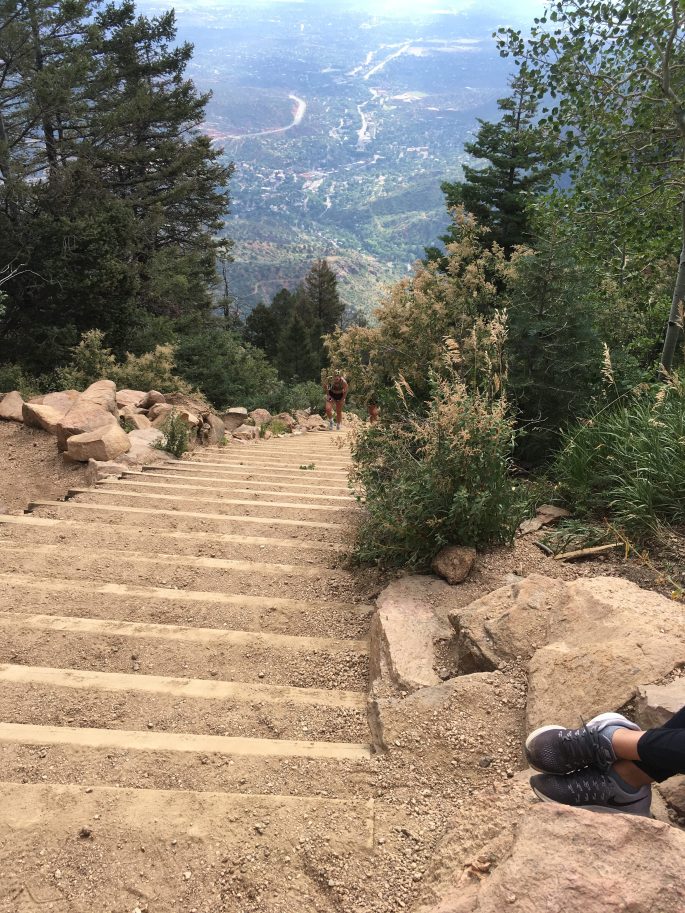
Manitou Incline: All Your Questions Answered.

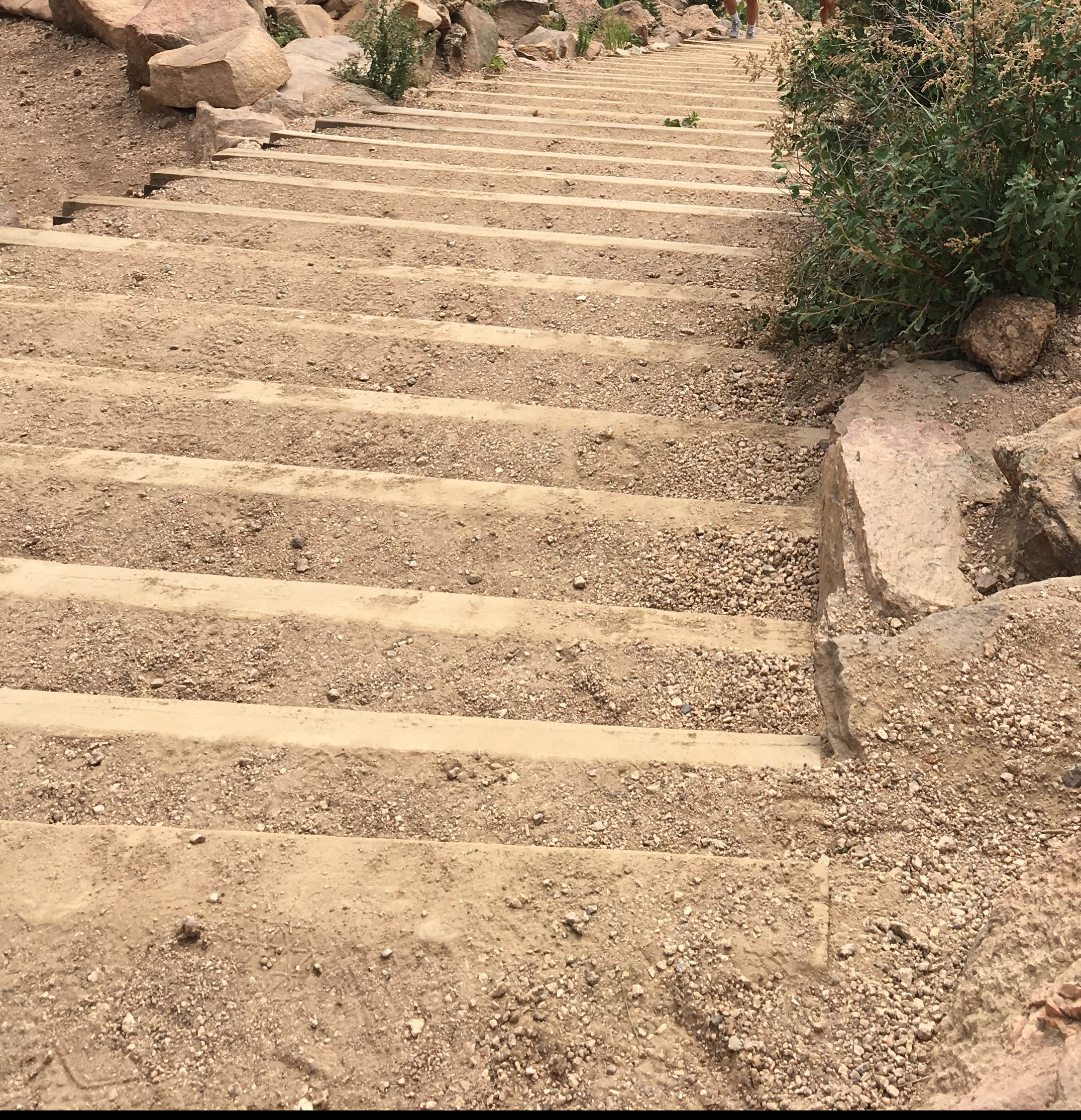
The Manitou Incline is well known among Colorado Springs locals. It is the remains of a narrow gauge railway that was built in 1907 and destroyed by a rock slide in 1990. The rails were removed and the rail road ties remain.

Until 2013 locals and fitness enthusiasts would walk past “no trespassing” signs to hike up the remains. CD and I were among the people that made this trek and did so without injury.

It has since been repaired and officially opened to the public. Thanks to this restoration, the trail is much more safe which still being sufficiently challenging.

Manitou Incline Stats:

  • Altitude at the base: 6600 ft
  • Ascent: 2011 ft
  • Distance: 0.88 miles
  • Steps: 2744
  • Grade: up to 68%

Getting There:

  • By car: Manitou Springs is a 20 minute drive from Colorado Springs
  • By bus: Check the schedule here

Parking:

  • The base of the incline offers paid parking.
  • The town of Manitou Springs offers various parking options. A free shuttle bus runs to the incline every twenty minutes year round. I have also walked the approximately 1.5 miles to and from town but I thinking that the shuttle bus looked like a nicer option!
Advertisements
Advertisements
Packing List:

  • Sunscreen
  • Hat
  • Trekking poles
    • 2 poles. Seriously – you will thank me later!
  • Water
    • To drink and to pour on yourself if are still there when the sun hits!
  • Snacks
    • I recommend a piece of fruit for a picnic at the top!
  • Camera
  • A friendly smile and a social attitude
    • Everyone is in this together! You will find that people are chit chatting and encouraging each other the whole way. It is the best!

Trip Planning And Other Tips:

  • Start early if you can
    • I usually don’t start early enough and end up mid incline in the hot sun. Be aware that there isn’t any shade. You can duck off to the side in the trees a bit but it won’t offer much relief.
  • Embrace the community! Talk to people. Give encouragement. Accept encouragement. Smile. Laugh, sweat, and cheer together!
  • Going down will take longer than going up. They don’t allow walking down the incline so be ready to hike the Barr Trail down.
  • Know that there is a bail out spot half way up. It connects back to the Barr Trail and heads down. If you can make it, keep going slow and steady. The view from the top is impressive.
  • Be aware of the false summit. Just like most mountain hikes, the incline offers false hope. For this hike you are pretty much always “almost there”.
  • Don’t be afraid to be slow and steady. I have climbed it fast and climbed it slow. Both have been great. In terms of the actual time, slow and fast aren’t really that different. Enjoy!

Please follow our blog for other adventures!

https://ramblingfootsteps.travel.blog/2020/05/26/oregons-coast-manzanita-a-hidden-gem/ https://ramblingfootsteps.travel.blog/2020/05/15/10-things-to-pack-for-hiking-the-pct/
Advertisements
Advertisements

Craters Of The Moon National Monument: In One Day

It was dark, the kids were asleep, and we were driving through the same part of Idaho that we had many times before. We hadn’t decided where to camp or how long to drive so we exited the highway, towards Craters of the Moon National Monument.

Our Sprinter van was the reason we made this choice; we didn’t have cell service, there weren’t any hotels, and I had not idea if there was anywhere to sleep once we got there. It turns out that the closest hotels are more than 30 miles from the park and the campground was full.

We parked our van near the visitor’s center and settled in for the night.

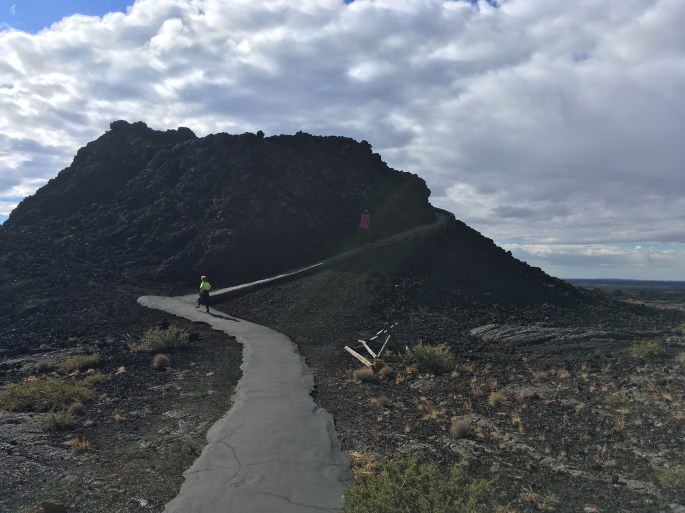
The next day we work up and it looked like we were on the Moon. The kids were amazed and excited all at once!

It looks like I imagine the moon!

5 Helpful Tips For 1 Day At Craters of Moon National Monument.

  1. Plan where to stay. The campground is small and may be full. Other lodging options are approximately 30 miles away.
Craters of the Moon

2. Check out the visitor’s center! Not only can you get your National Parks Passport stamp and your Junior Ranger badge but it has displays, movies, and activities for everyone!

3. Bring a headlamp! The lava tubes are a must-see. The caves trail offers easy access. You must get a Caves Permit prior to entering the caves. The permit is free.

caves: lava tubes
caves.

4. Prepare for the elements. Bring a jacket if it is windy and a hat if it is sunny. The trails are exposed and you will be out in the weather.

sun. wind. moon rock. the kids loved it!
walk on the moon on a clear day

5. Bring food and drinks. It takes a bit to get back to town to the East and even longer to the West. There aren’t restaurants or gas stations right there so pack a lunch, grab a picnic table, and enjoy!

Advertisements
Advertisements
a nice walk on the moon on a clear day. the kids ran part of the way.

Please like our blog for more fun!

https://ramblingfootsteps.travel.blog/2020/04/21/throwback-blog-series-a-tour-of-utah/ https://ramblingfootsteps.travel.blog/2020/05/15/10-things-to-pack-for-hiking-the-pct/

Sleeping Bear Dunes, Michigan: Summer Top 5.

Sleeping Bear Dunes National Lakeshore sits on the western side of northern lower Michigan. With dunes rising 400 feet above its 65 miles of shoreline, this park does not disappoint! Check out forests, wetlands, streams, inland lakes, historic homesteads, campgrounds, hiking trails, a 1920’s village, and the more recently added Sleeping Bear Heritage Trail bike path.

It is hard to decide where to begin but here are 5 ideas to get you started!

5. Empire Bluff Trail

This trail is short and sweet. This 1.5 mile round trip hike will satisfy hikers and photographers alike.

Start at the Visitor’s Center in Empire and get directions to the trail head which is just a few miles down the road. The trail is unassuming at first but don’t let that fool you. The views from the top some of the most remarkable in the park.

4. Glen Haven

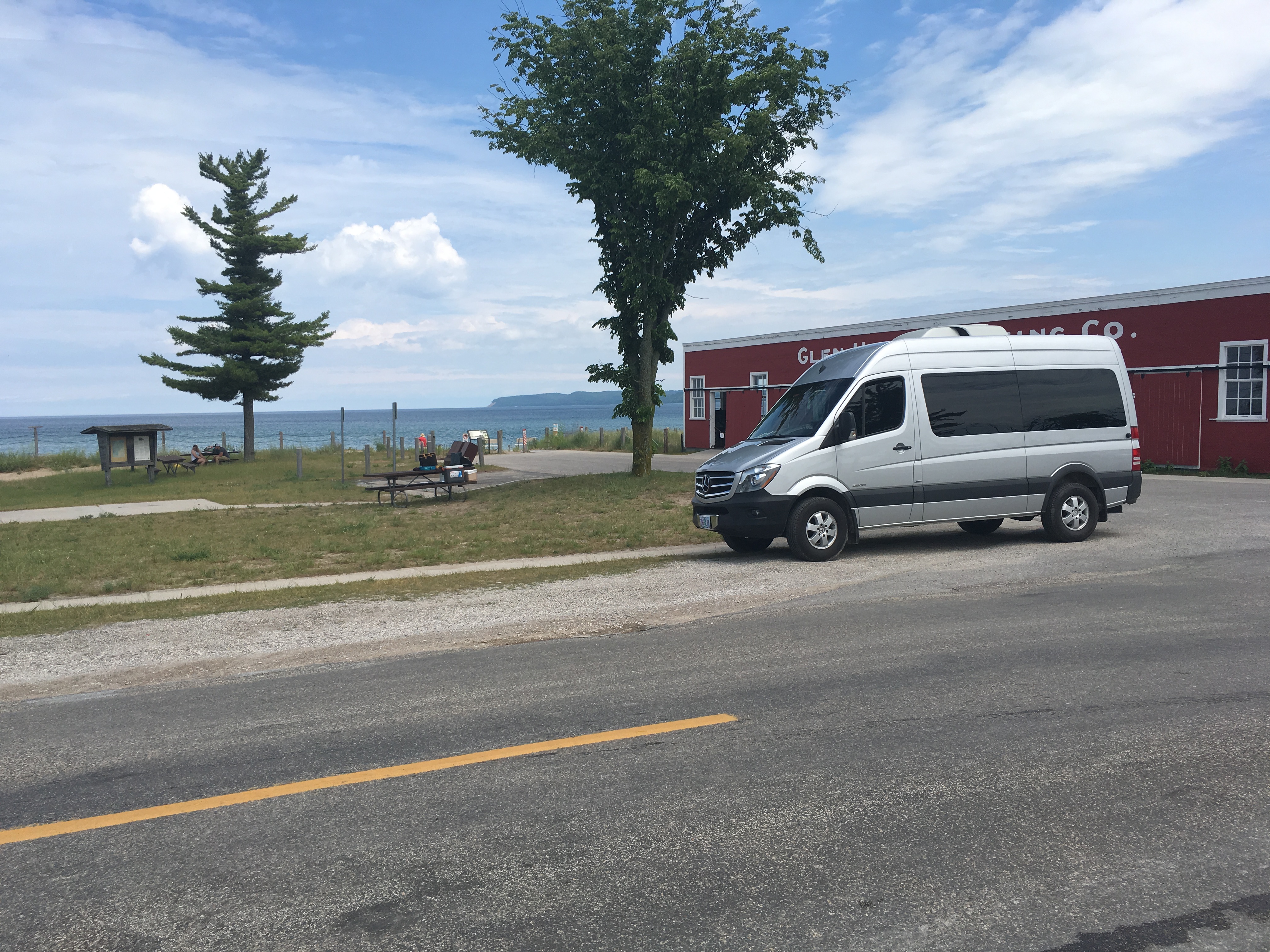
Whether you are looking for a Junior Ranger cancellation or are excited to check out a working blacksmith’s shop, Glen Haven is worth the stop!

There is a general store, boat house, clean restrooms, and beach access with picnic tables.

4. Sleeping Bear Point Lifesaving Station

On your way out of Glen Haven, follow the road until it ends at Sleeping Bear Point. The building from 1901 is now a Maritime Museum.

Learn about the lives of the people that lived at the station and the tools they used for rescues. Look out for an opportunity to participate in the daily lifesaving demonstration and you may even see them fire the Lyle Gun!

You can also access the Sleeping Bear Point Loop Trail from here. This 2.8 mile trail may not be the most picturesque in the park but it is certainly one of the most diverse. Hike up and down rolling dunes as you experience some of the different terrain and ecosystems that Michigan has to offer. Bring water and keep in mind that 2.8 miles over sand dunes takes longer and is more difficult than the same distance on pavement.

Advertisements
Advertisements
2. Dune Climb

Whether you want to play in the sand, have a picnic, or climb for a view of Glen Lake, the Dune Climb has it all. Some amenities include clean restrooms, potable water, a gift shop with a park passport cancellation, and an ice cream vending machine.

Advertisements

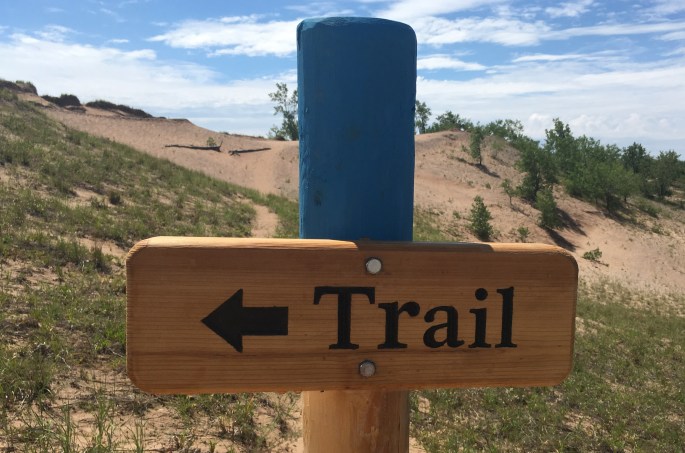
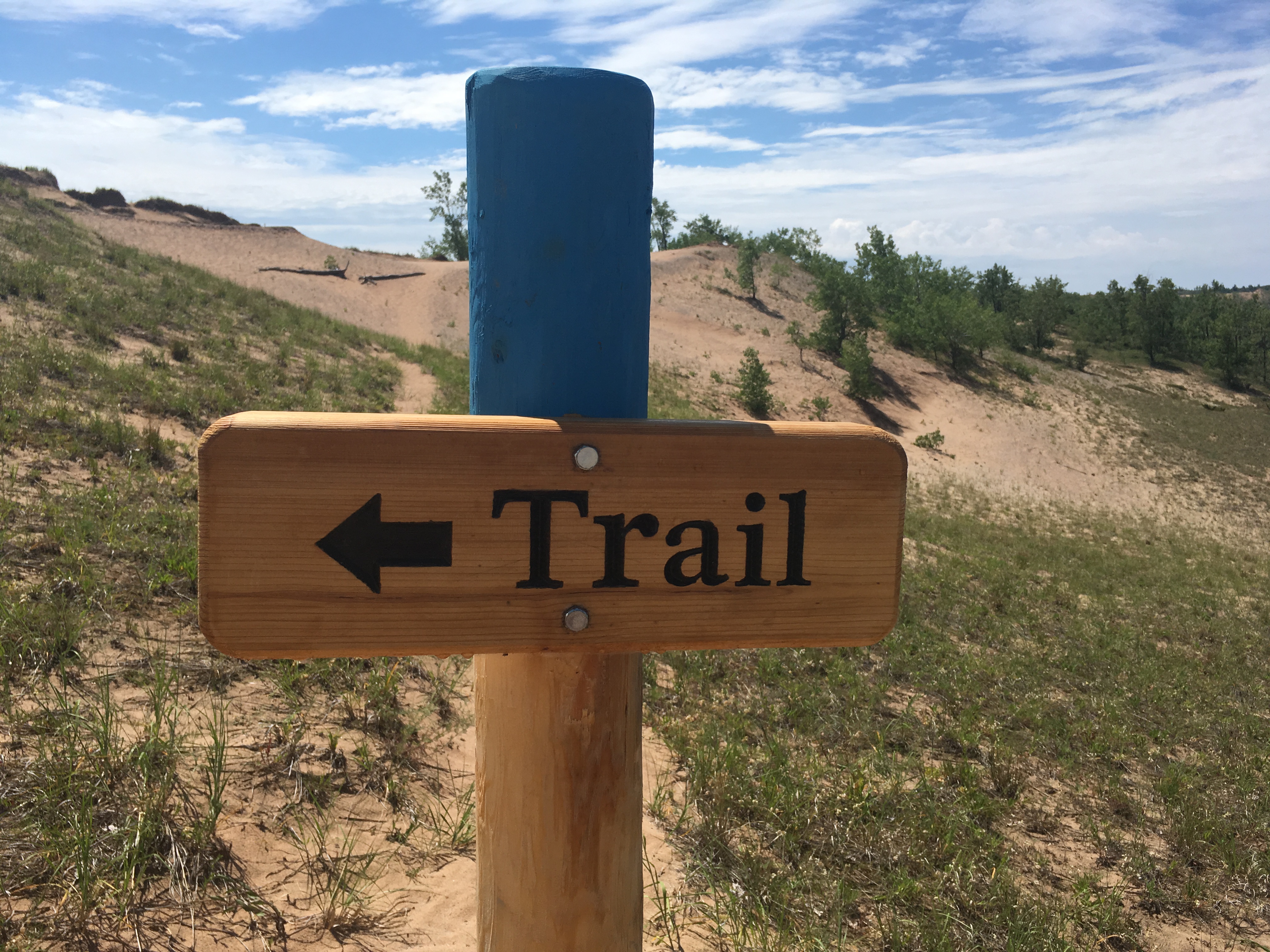
For those of you that are looking for a challenge, the Dune Climb trail ends at Lake Michigan. Be aware that this hike is rated strenuous and in my experience, it is easy to underestimate its difficulty. There are wooden posts marking the trail so keep an eye on those. bring water, hat, and sunscreen. Prepare to be exposed on wide open sand dunes for 3-4 hours.

While there are much easier ways to get to Lake Michigan, you will likely feel the greatest sense of accomplishment if you arrive there by foot via these dunes. Honestly, I only do it for the exercise so if that is not a huge motivator for you, I recommend skipping this hike, accessing Lake Michigan at Glen Haven, and climbing the dune just high enough for a bird’s eye view of Glen Lake.

1. Sleeping Bear Heritage Trail

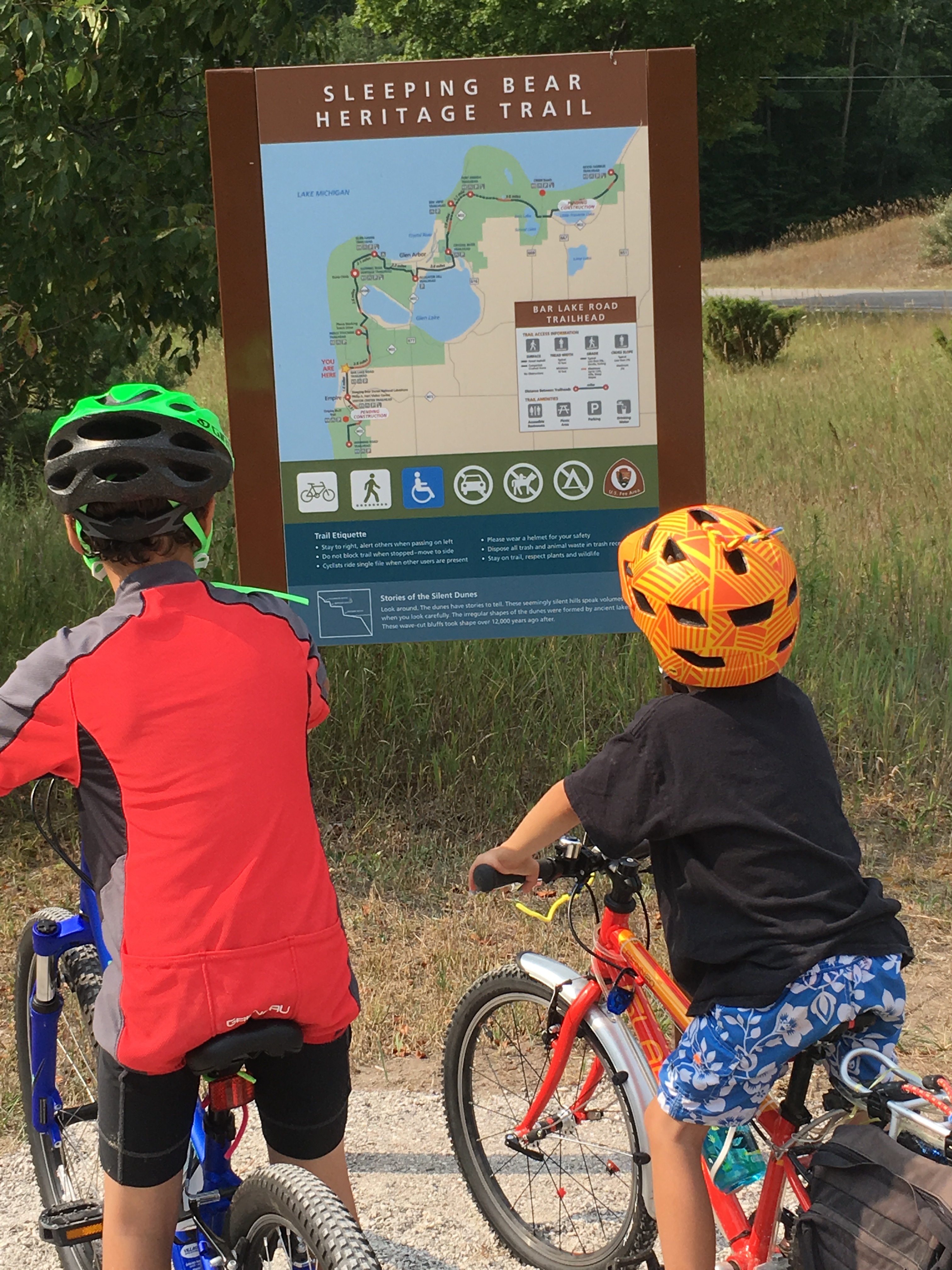
This is one of my favorite things that has happened anywhere in the past several years! The Heritage Trail is a mixed use, non motorized trail planned to extend 27 miles from Empire to North of Glen Arbor. There are currently 22 miles completed.

Avoid traffic and parking hassles by utilizing the trail. In 2019, my husband, myself, and three kids under 10 logged 29.1 miles on the trail in 2 days. Bikes were our only means of transportation once we set up camp at DH Day campground.

Here are the top reasons we love the Sleeping Bear Heritage Trail.

  • It is more safe for families than riding on the road
  • It is the fastest route from DH Day campground to Glen Haven or the Dune Climb on a busy day.
  • Bike parking in Glen Arbor is less stressful and more available than car parking.
  • Your car can be kept safe from sandy kids.
  • Riding the trail is good exercise and better for the environment than driving a car.
Sleeping Bear Dunes, Michigan

Please like and follow our blog for more adventures!

https://ramblingfootsteps.travel.blog/2019/11/28/sleeping-bear-dunes-bike-swim-repeat/ https://ramblingfootsteps.travel.blog/2020/01/19/steamboat-springs-top-5-activities-not-to-miss/

Oregon’s Coast, Manzanita: A Hidden Gem.

It is well known that the Oregon coast if full of breathtaking scenery and widespread ocean access. Hidden among the 362 miles of Oregon’s coastline is the town of Manzanita.

Manzanita is in Tillamook county, north of Lincoln City and south of Astoria. It is home to seven miles of coastline and beaches. With a population only in the triple digits, the effects of tourism are obvious. The benefits to those that vacation there are great.

The Main Street

Lenada Avenue is the heart of downtown. Restaurants, coffee houses, and shops have names like Left Coast Siesta, Neahkanie Bistro, Bread and Ocean Bakery, and MacGregor’s: A Whiskey Bar.

The Beach, Oregon’s Coast

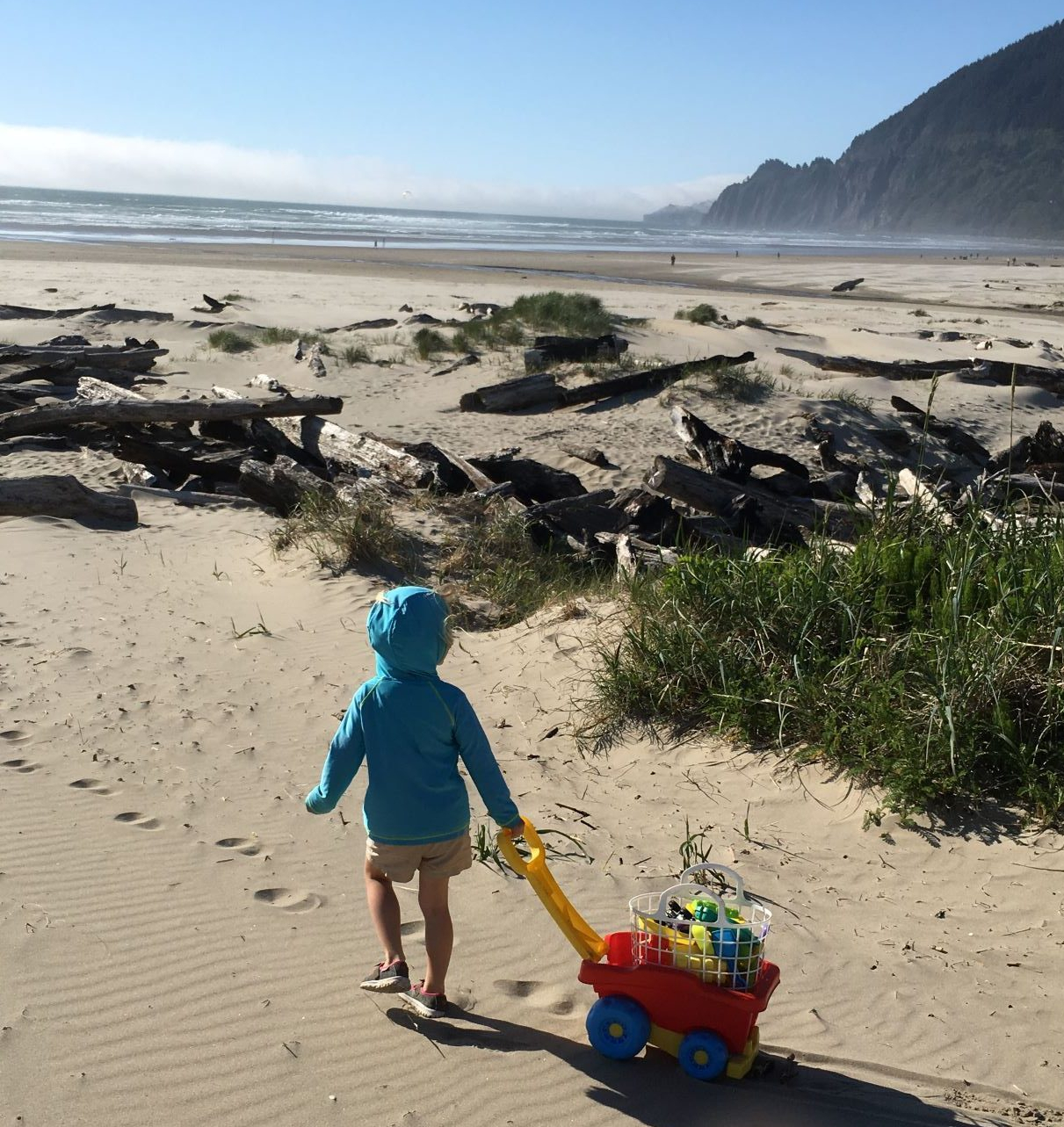
From town, the beach is steps away. Our Meredith Lodging rental house was across from Hallensted Park, 6 blocks from the main street and two blocks from the beach.

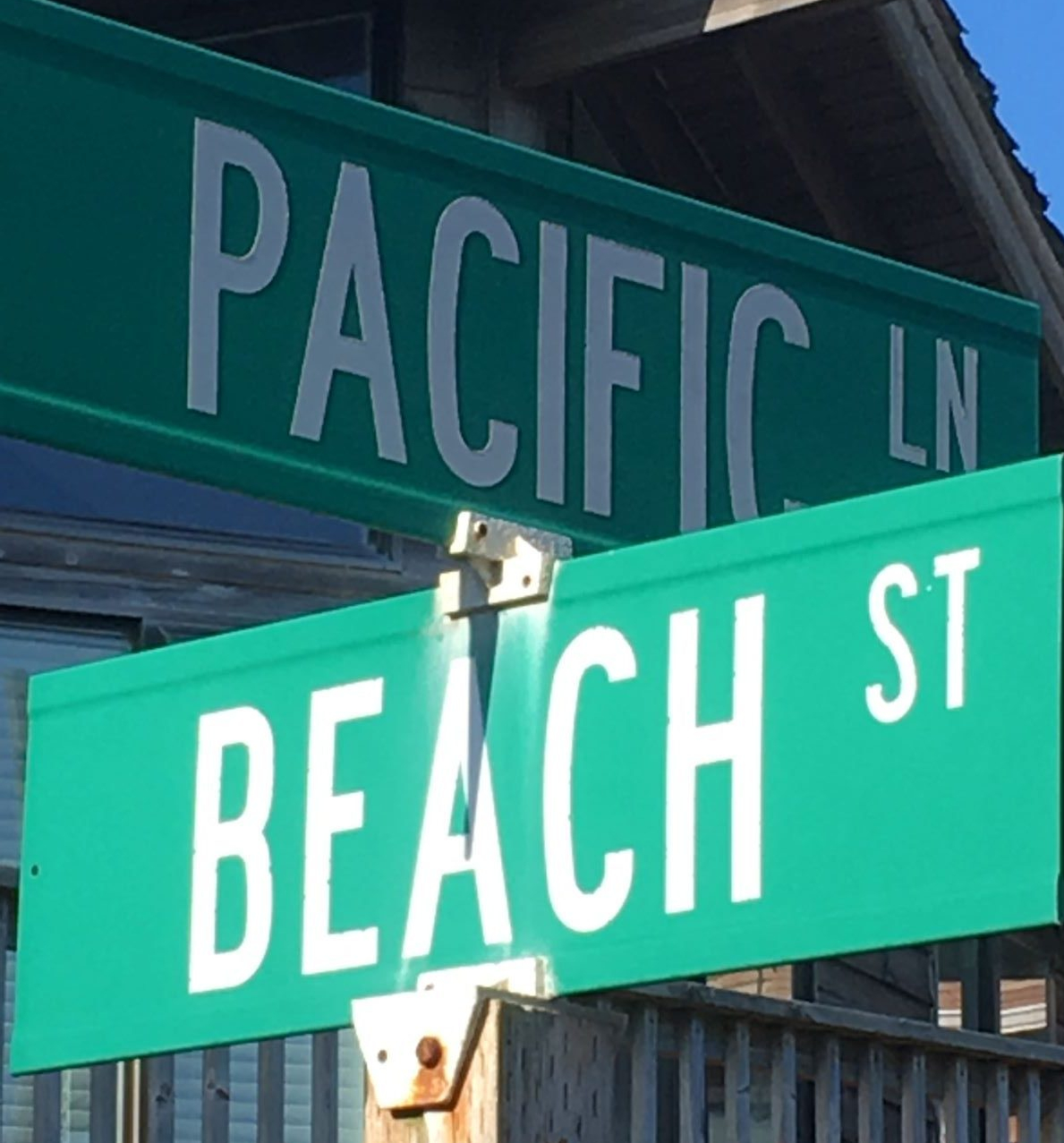
This sign says it all!
Great beaches!
The main road from town ends where the other people are standing. Oregon’s Coast.

NeahKahnie Mountain

Don’t miss this hike! Oswald State Park offers a 8 mile long mountain loop trail or a 2.8 mile shorter version. The trail is well taken care of and inviting.

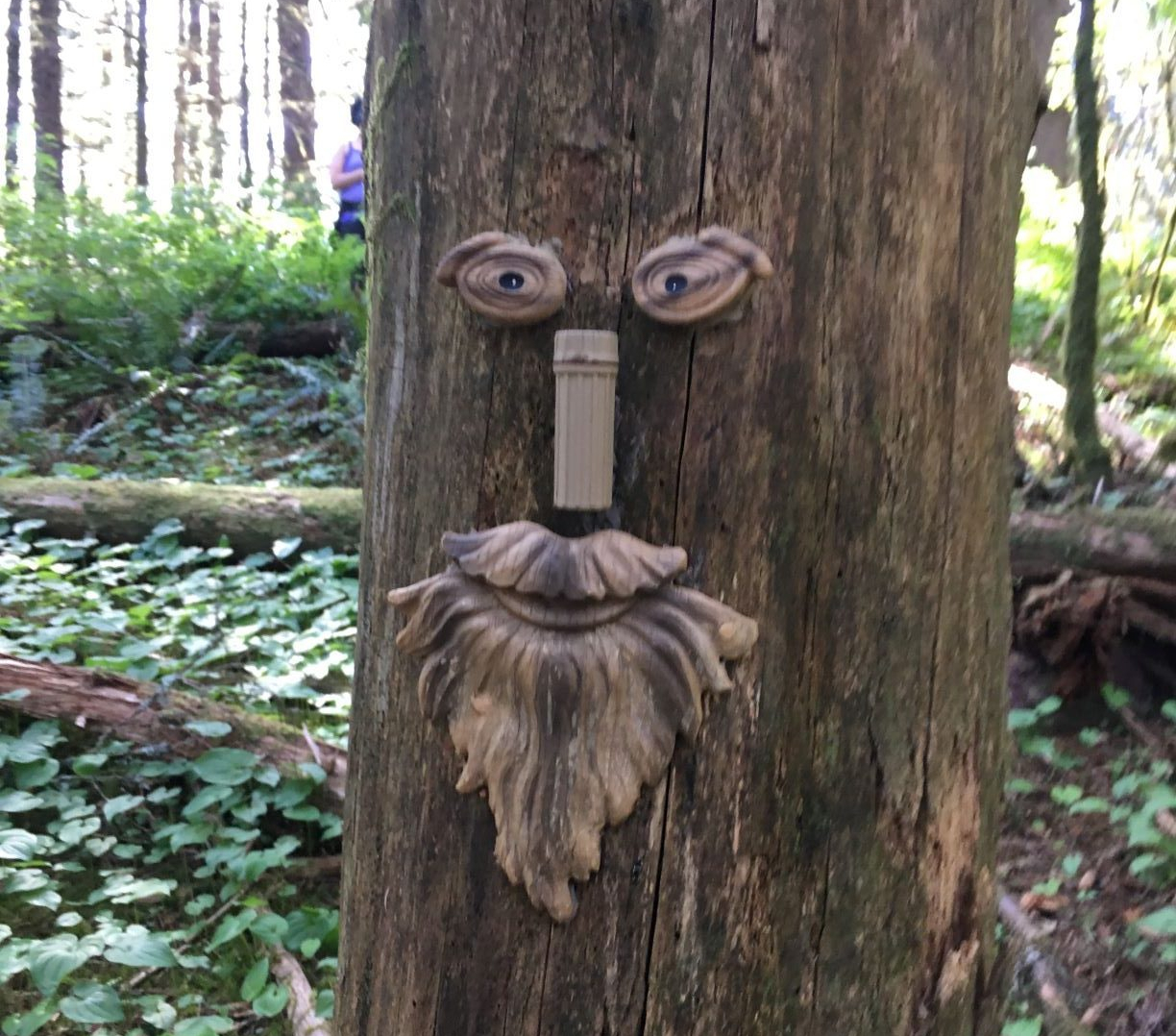
The trees are welcoming also

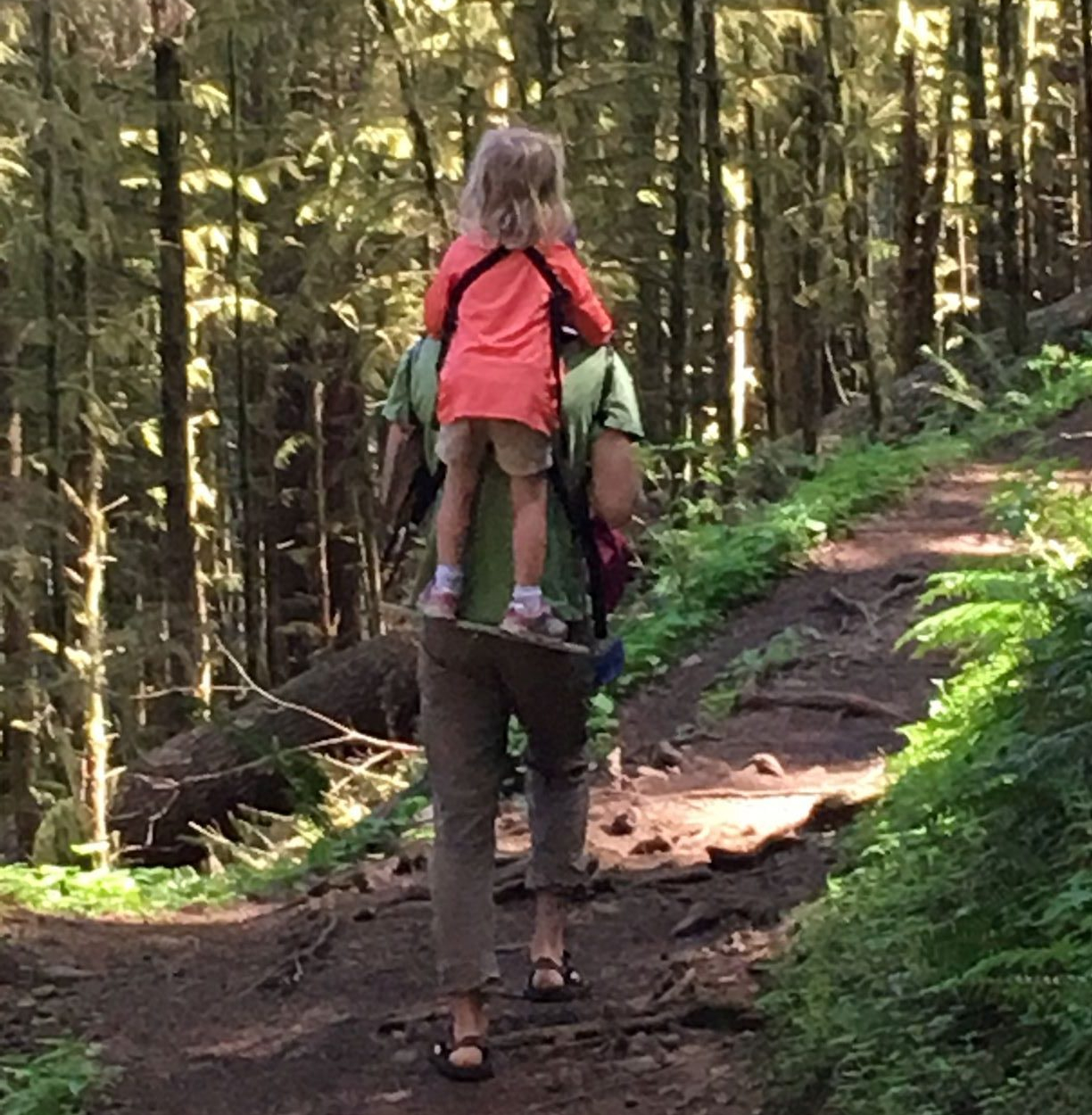
It is a steady but not impossible climb with plenty of chances to slow down and explore. We used our favorite kids carrier a few times, more so for fun than out of necessity.

If you haven’t already, check out the Piggyback Rider Standing Kids Carrier.

Walking is good but a standing child carrier is great

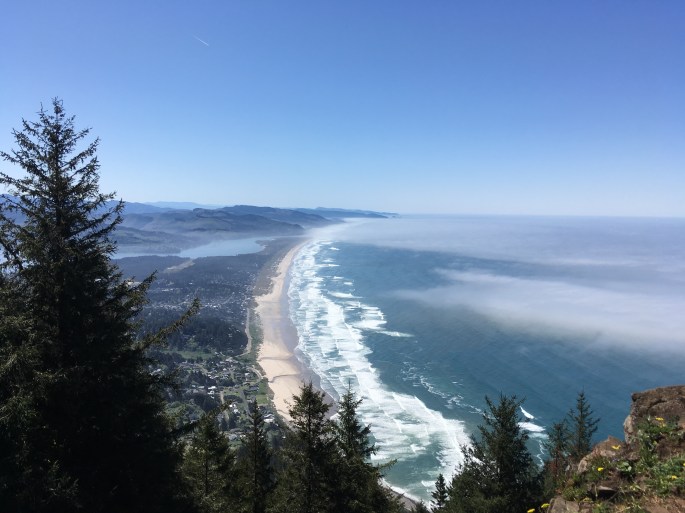
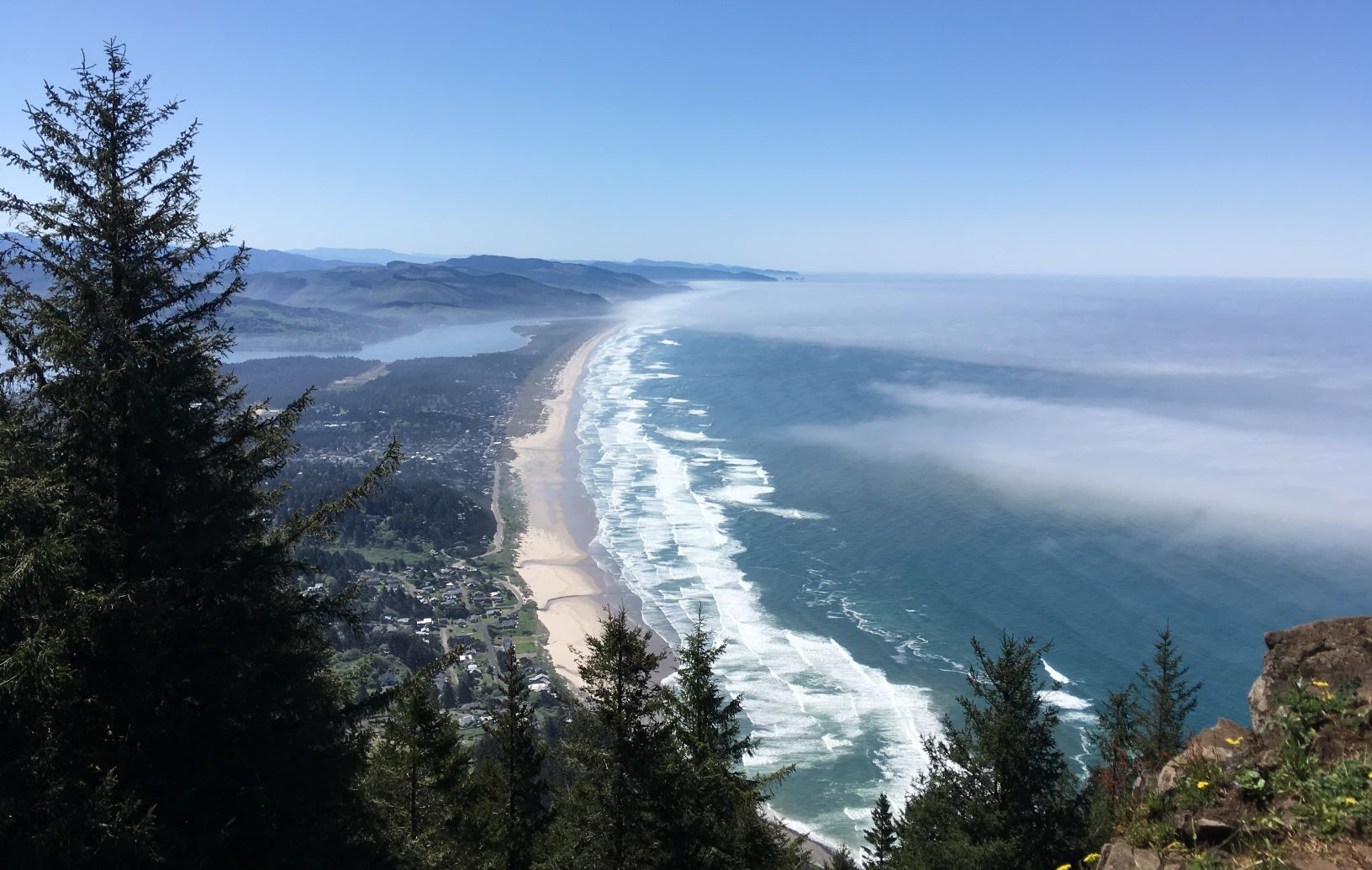
For our hike, we opted for the shorter version. Once at the summit, we agreed that the effort to reward ratio of this hike was great! A short scramble at the top leads to some of my best views of Oregon’s coast.

Oregon Coast, looking south and beyond that as well.

Please follow our blog for more good times!

https://ramblingfootsteps.travel.blog/2020/02/17/cape-perpetua-and-a-sunny-oregon-day/ https://ramblingfootsteps.travel.blog/2020/05/25/leavenworth-washington-in-an-afternoon/
Advertisements

10 Things To Pack For Hiking The PCT.

Are you considering a multi-day backpacking trip or a long thru hike, such as the Pacific Crest Trail? Do you wonder which things to pack for thru hiking the PCT?

You can benefit from our experiences thru hiking the PCT, the Vermont Long Trail, and the West Coast Trail. Here are a list of 10 things that we pack and love!

Hiking the PCT

Please note that this post includes affiliate marketing links. This means that we may benefit from a small amount of any purchase. This would be at no additional cost to you. We only endorse products that we use and love!

For Meals and Food:

  1. Ursack Allmitey Bear Bag. This works for rodents, as well as bears. CD used this for his thru hike in 2004 and we still use it today. You may consider sleeping with it under your pillow depending on how significant the rodent problem. It is durable, effective, and convenient. It is a must – have!

2. Titanium Spork. In the world of sporks, we vote for titanium. After breaking a couple of plastic sporks each, we decided to endorse something more durable. These have lasted us 5+ years and I anticipate that they will last at least another 5.

3. GSI Outdoors Infinity Backpacker Mug. CD did not have this on the trail as he was given it last year. He tells me that he would have taken it if he knew it existed. Apparently, he may consider taking it in place of water bottle. That is saying a lot since he was never far from his Nalgene when we first met.

4. MSR Dromlite Water Bag: 6 L. Methods for carrying water on the trail are a matter of personal preference and comfort . This is CD’s choice. More than 16 years later, it still has not gotten a leak.

5. Evernew Titanium Pot, 1.3 L. It is years later and this pot is still good as new. It is just the right size to feed one or two thru hikers or three or four car campers.

To Stay Warm and Dry:

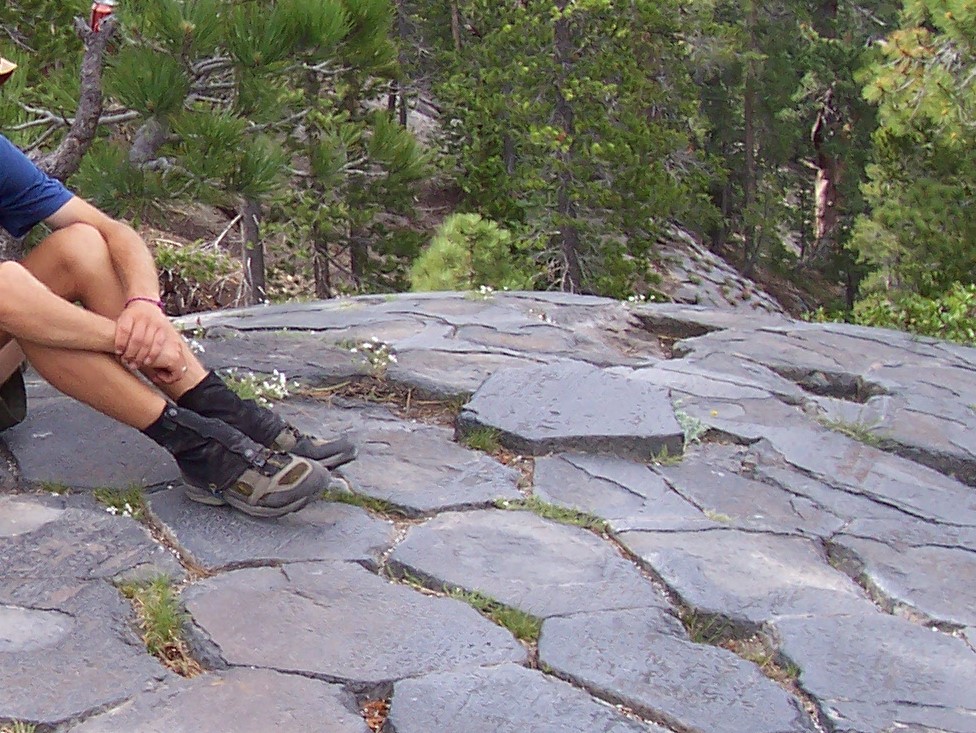
1. Gators. There are different lengths, colors, and styles for different purposes. Wet grass, snow, mud, rain, and bugs are a few examples. Ours get a lot of use!

2. Camp socks. Spare socks for your sleeping bag are a must! You will thank us later! I currently love “Darn Tough” socks but any socks will work. CD carries three pair of socks. Two for hiking and one only for camp. He continues to stand the principle of camps socks. Whether we are home, in the Sprinter, backpacking, or car camping, we wouldn’t consider getting near our sleeping bags with anything other than our camp socks!

3. Marmot Driclime. This is my favorite layer of all time! CD thru hiked with in 2004 and still wears today. It works for any temperature, packs small, weighs little, and stands up to the challenge. He gave me a Marmot Driclime for my birthday the first year that we met and I was quickly convinced.

Advertisements
Advertisements
For Health and Safety:

1. Mosquito Head Net. When you need this, you will be glad it is packed. It is small, versatile, light, and effective. We recommend wearing it over a sun hat with a brim all the way around. This will keep the net from sticking to your skin or being irritating.

For more tips on handling mosquitos while on the PCT, check out this post: https://ramblingfootsteps.travel.blog/2020/05/07/pct-packing-list-throwback-travel-journal/

2. Black Diamond Head Lamp. CD uses this every day on the trail and at home. It is a way of life I guess.

For a look inside CD’s pack from Northern California onward, please check out the following post. https://ramblingfootsteps.travel.blog/2020/05/07/pct-packing-list-throwback-travel-journal/

If you are seeking a different perspective, you can check out the “what I didn’t need” gear list from REI. You may notice some healthy differences of opinion that are worth checking out!

https://www.rei.com/blog/hike/pacific-crest-trail-packing-brought-didnt-need?cm_mmc=sm_pin-_-always_on-_-brought_didnt_need-_-blog

I hope your thru hike gives you everything you need.

Enjoy and Hike Your Own Hike!

Tips for Handling Mosquitoes While Hiking the PCT.

CD’s trail journal entries become less consistent in Oregon. He documents damp air, cool nights, mosquitoes while hiking, and endless self reflection.

His journal entry from 8/7/04 addresses the mosquitoes three different times in two short paragraphs.

  • As I was alternating between swatting mosquitoes and pumping water today I wondered, “What can’t I just sit on the couch and go use the tap when I want water like most people?”
  • Soon, however, it was back to the woods and endless mosquito-hatchery ponds.
  • Today’s mosquitoes are worse than last night’s but seem to be staying outside (but close).

Tips for handling mosquitoes while hiking.

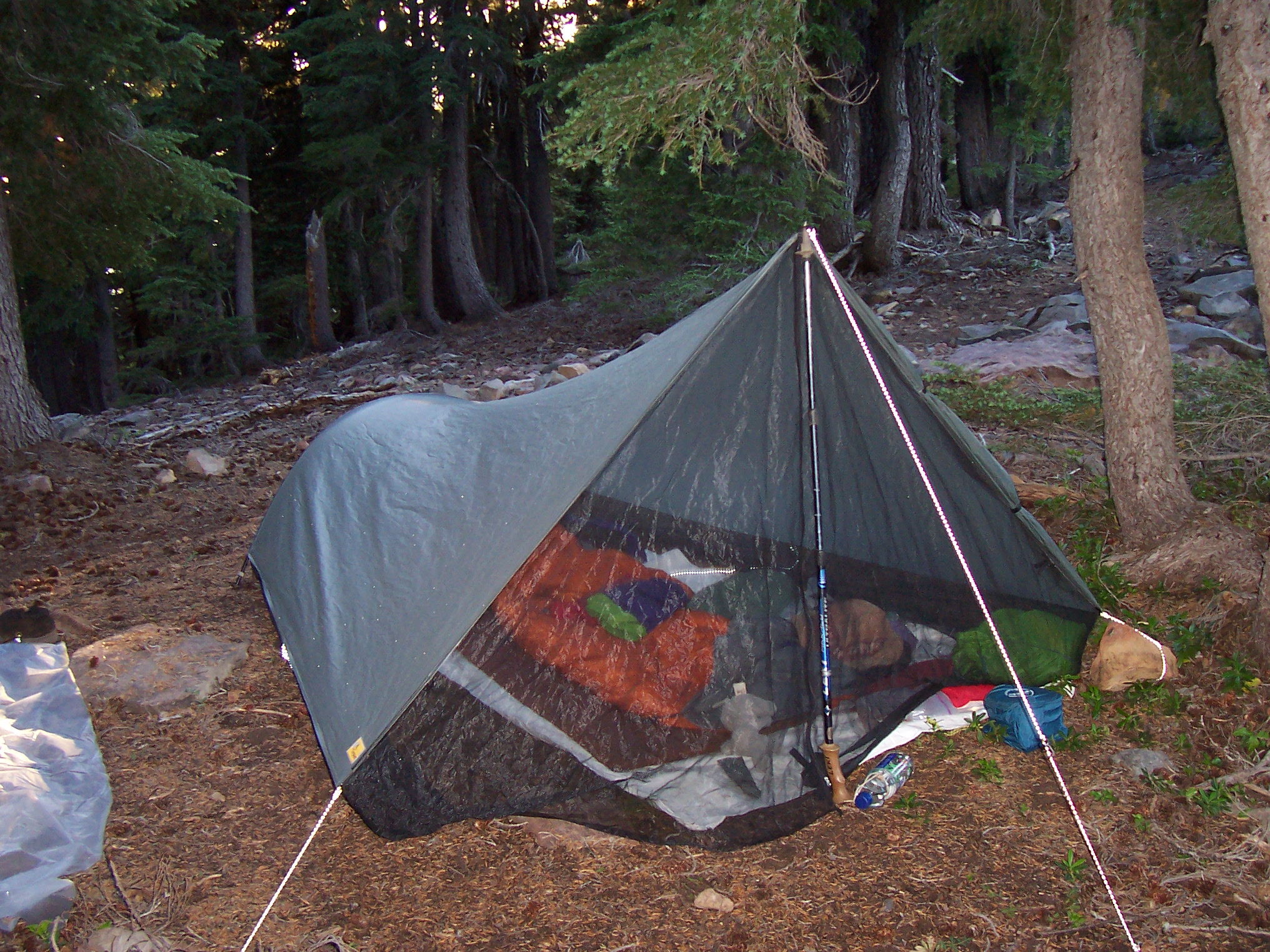
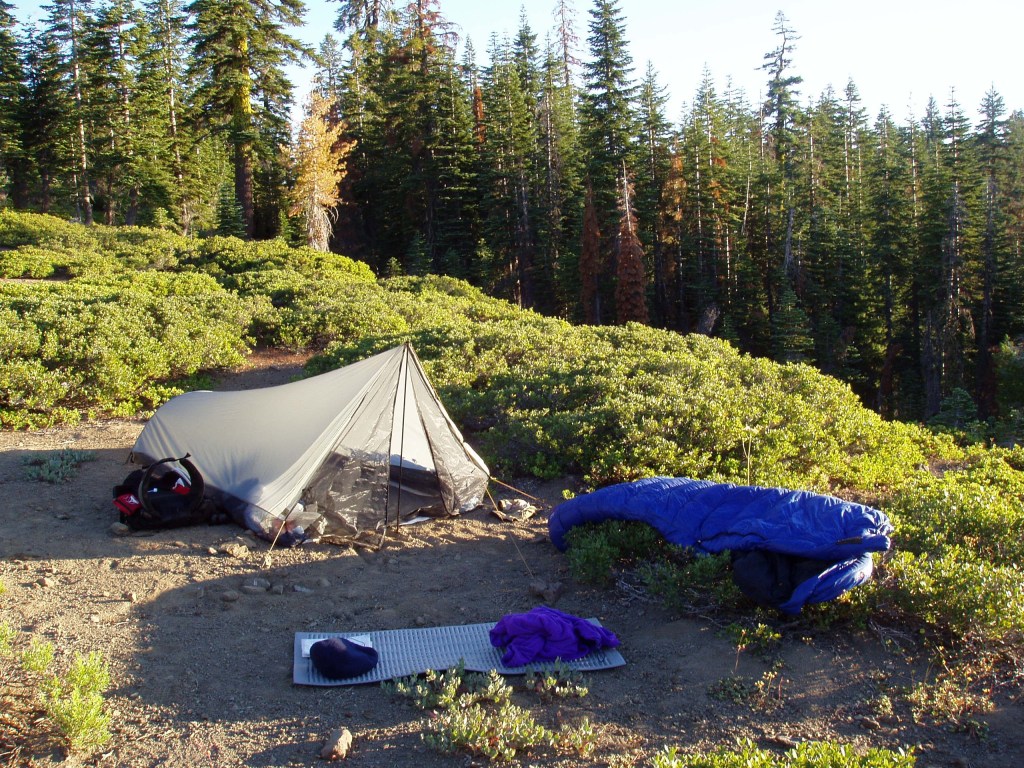
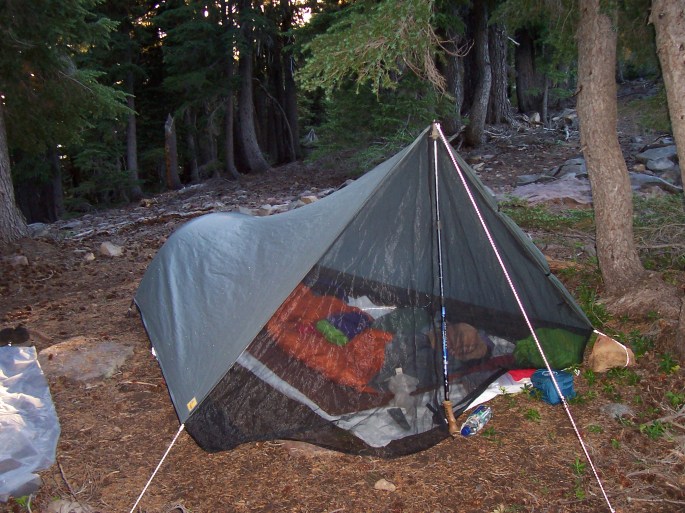
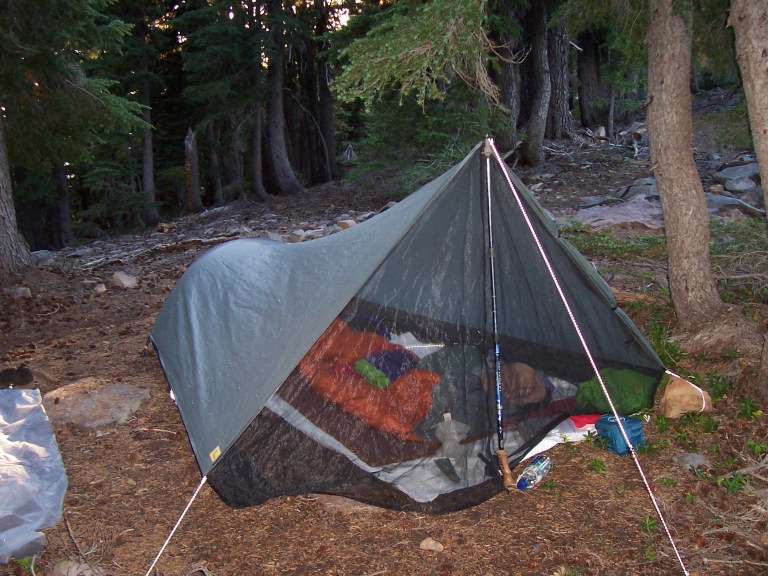
1. Setting up your Tarptent.

  • Lay down your floor cloth
  • Lay your tent on top of your things
  • Arrange your pack and other belongings on the floor cloth
  • Pull up your tent
  • Climb in quickly
  • Enjoy!
#PCT

2. Cooking dinner.

This may not be the best if bears are a consideration but you pick your poison I guess.

  • Get into your Tarptent
  • Set up your stove and prep your meal in your floor-less tent
  • Quickly move your stove just outside the vestibule, exposing only your hands. Light outside your tent
  • Wait inside the tent
  • Reach out, grab the food and eat

3. Hiking.

  • Expect to be bitten by mosquitoes as soon as exciting your tent
  • Wear your rain jacket for protection
  • Be organized and efficient
  • Start walking
  • Once you hit a good hiking speed, remove your arms from you rain jacket and tie them around your waist
  • Untie your rain jacket and slide it back over your arms and head as you approach water stops or other stops
  • Repeat as often as needed

4. Using your mosquito head net.

5. Embrace at least 20% DEET.

  • Longer hair
  • Thicker hair
  • A longer, thicker beard
#PCT. Notice the hat and the beard.

6. Embrace at least 20% DEET.

You will likely regret it if you don’t have it on hand.

#PCT

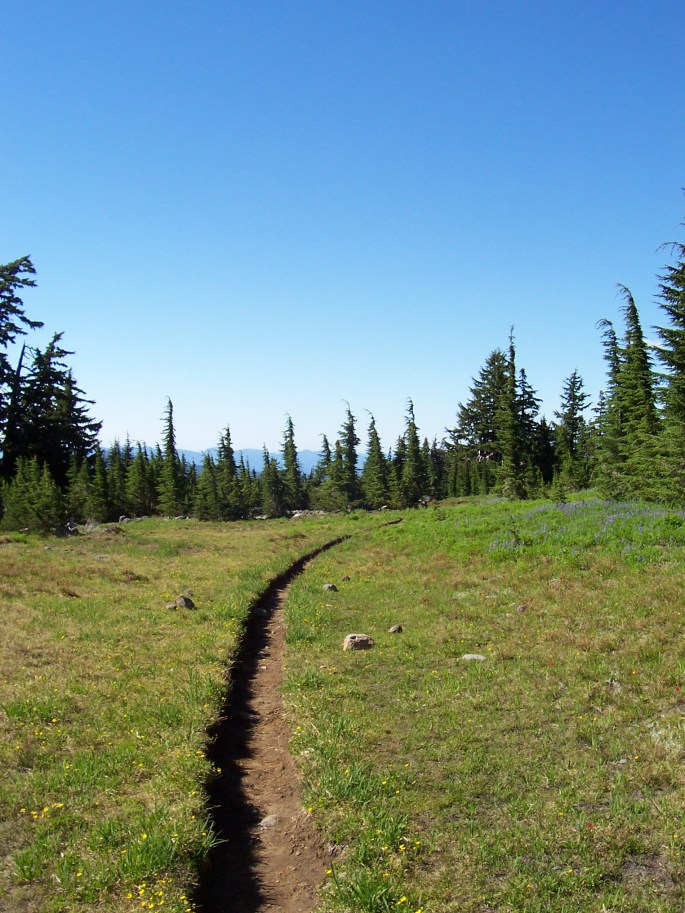
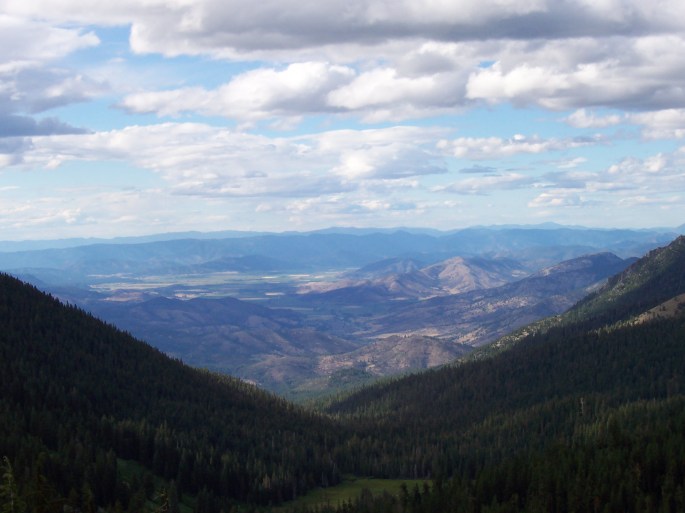
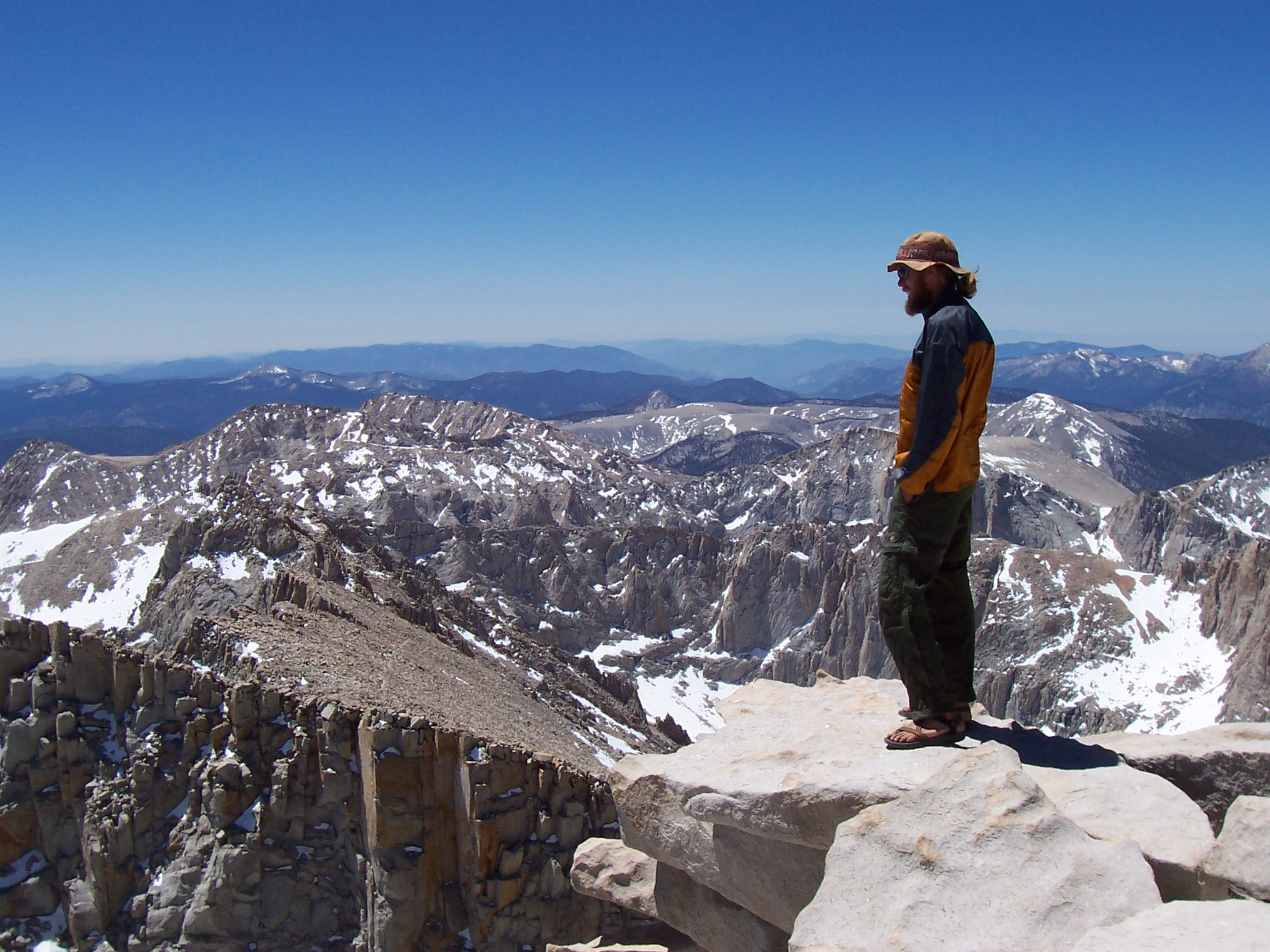
The trail through Oregon leads to Mount Hood. CD found himself sleeping close enough to the Timberline Lodge to hear the music and see the lights of two wedding receptions. Such common first-world activities brought forward the surreal reality of having walked there from Mexico.

Was it worth the mosquito bites and endless buzzing? A picture is worth a thousand words.

#PCT
mosquitoes while hiking
#PCT
#PCT

Please note that we are associated with an affiliate marketing program. This means that we may get a small benefit if you chose to purchase a product on our website. There are no additional costs to you. Thank you.

10 Clues That Your Husband Was A Thru – Hiker.

My husband was a thru-hiker. Here are some of the habits that I assume he picked up on the trail.

Disclosure: Please note that this post contains affiliate links. This means that we may get a small commission if you click a link and purchase something that we recommend. Clicking these links will not cost you extra money but will help us grow our website. Thank you for your support!

1. He drinks the dish water from the pot, even when car camping with a potable water source. This is not my favorite.

#PCT

2. He puts on his “camp socks” for sleeping and insists that everyone in the family do the same.

He also has sleeping socks at home as well.

3. He makes a solid argument that floor-less tarp tents are better than traditional tents for avoiding rodents.

He argues that while they may not keep rodents out, a tarp tent at least doesn’t keep rodents in. I can’t really argue with that I guess.

#PCT

4. He can wear gators pretty much anytime and has gators for any occasion.

#PCT

5. He doesn’t understand why people exercise when they should just thru hike.

“They should go outside.”

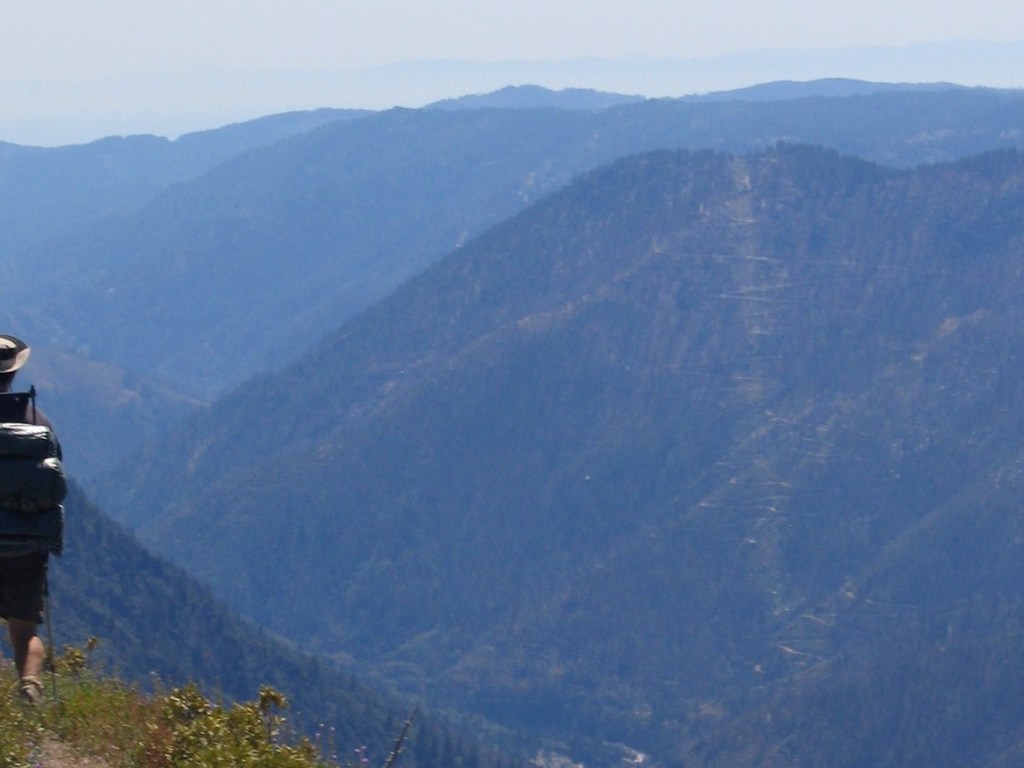
Notice the switchbacks. #PCT

6. He wears layers all the time, even to go the grocery store.

He adds layers and takes off layers constantly. The sun is shining and a layer comes off. The sun is behind a cloud and a layer goes on. Our kids do this as well and it is exhausting.

#PCT

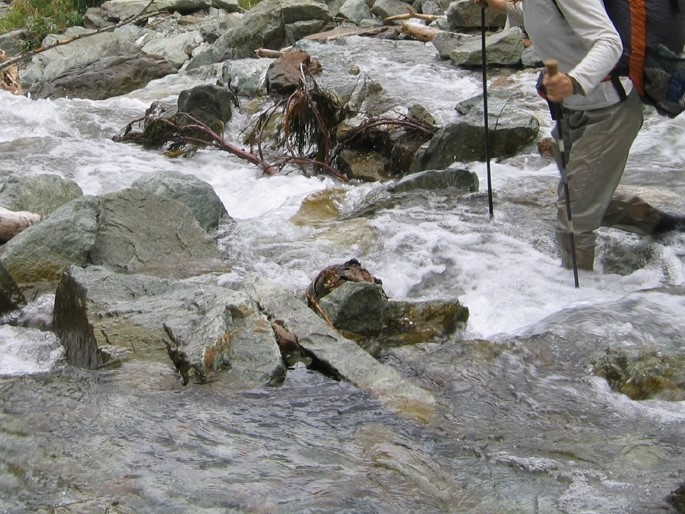
7. He anticipates river crossing, even on day hikes.

He sometimes crosses rivers that we don’t even need to cross or at least he talks about how to cross rivers that we don’t need to cross.

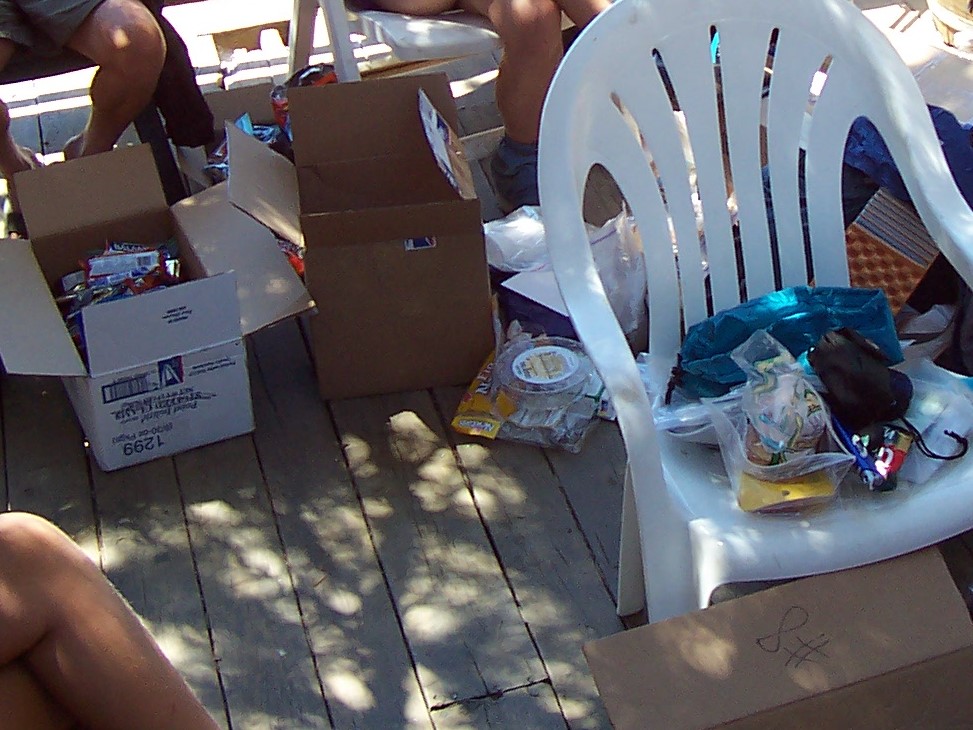
8. He keeps his things in tiny bags and boxes. Seriously, he has endless tiny bags.

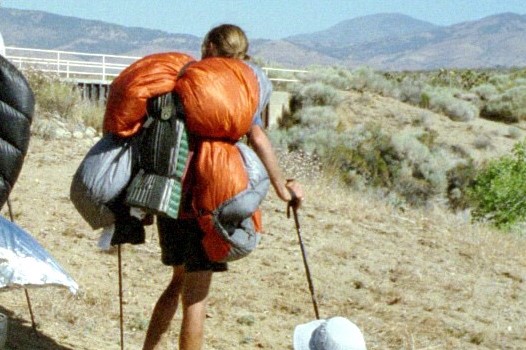
#PCT Kennedy Meadows

9. Pack weight is a constant concern, even on grade school field trips.

#PCT

10. He doesn’t know the day of the week, time of day, or federal holidays but he can tell you how to find the nearest mountain pass.

Thru Hiker For the Win.

To learn more about the PCT and CD’s thru hike, you can check out these links!

https://atomic-temporary-169313545.wpcomstaging.com/2020/05/13/real-life-tips-for-handling-mosquitoes-while-hiking-the-pct/ https://atomic-temporary-169313545.wpcomstaging.com/2020/05/15/10-things-to-pack-for-hiking-the-pct/ https://atomic-temporary-169313545.wpcomstaging.com/2020/05/07/pct-packing-list-throwback-travel-journal/ https://atomic-temporary-169313545.wpcomstaging.com/2020/05/06/pct-southern-california-thru-hike-throwback/ https://atomic-temporary-169313545.wpcomstaging.com/2020/05/05/pct-menu-throwback-thru-hike-edition/
Advertisements

10 Clues that your husband may have been a Thru – Hiker.

1. He drinks the dish water from the pot, even when car camping with a potable water source.

#PCT

2. He puts on his “camp socks” for sleeping and insists that everyone in the family do the same.

#PCT

3. He makes a solid argument that floor-less tarp tents keep rodents OUT.

#PCT

4. He wears gators pretty much anytime. He has gators in various styles and heights.

#PCT

5. He doesn’t understand why people exercise. “They should just go outside.”

Notice the switchbacks. #PCT

6. He wears layers all the time, even to go the grocery store. He adds layers and takes off layers constantly.

#PCT

7. He anticipates river crossing, even on day hikes.

8. He keeps his things in tiny bags and boxes.

#PCT Kennedy Meadows

9. He is constantly concerned with pack weight, even on grade school field trips.

#PCT

10. He doesn’t know the day of the week, time of day, or federal holidays but he can tell you how to find the nearest mountain pass.

Hiking Pack List: PCT Northern California.

Hikers load up on supplies at Kennedy Meadows to head into the higher mountain passes. Once down the other side, unloading and re-packing again is common. CD was kind enough to record a hiking pack list from his stop at Pooh Corner, north of Lake Tahoe.

Disclosure: Please note that this post contains affiliate links. This means that we may get a small commission if you click a link and purchase something that we recommend. Clicking these links will not cost you extra money but will help us grow our website. Thank you for your support!

Here is CD’s hiking pack list!

Backpack:

Bag liner: Coolmax, 9 oz. A 6-7 oz silk liner was more common among the 2004 class.

Backpack: Granite Gear Ozone (please remember this was 2004). It weighed 3 lbs, as compared to the 2 lbs packs that most people carried. The weight was a trade off for having a frame and increased comfort.

For Camp:

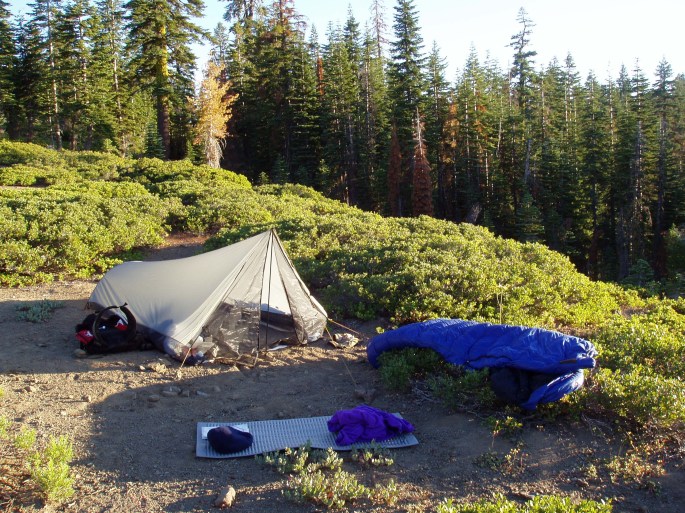
Tarp Tent: two person model. Floorless, ~2 lbs.

Sleeping bag: EMS Mountain Light 20 degree bag, down. 2 lbs.

Tyvek: ground cloth, 5 oz

Z-rest full length: Most hikers used 3/4 lengths but for the couple of extra ounces CD chose warm and comfortable feet

Headlamp

Cooking and Water:

AquaMira water treatment

Spoon and fork: Apparently most people didn’t carry a fork but CD found it helpful for hard ice cream. Was this before the invention of the spork?

Evernew Titanium pot, 1.3 L: The trail standard in 2004

Stove: homemade pop can stove.

Advertisements
Advertisements
Clothes:

3 pair of socks: CD alternated between 2 different pair of bike socks while hiking and had a separate pair of camp socks. He insists on separate sleeping socks when we camp as well and it really is much better!

Camp Sandals: 3 oz

Wind shirt: Marmot DriClime

Rain jacket: Marmot PreCip

Convertible pants: Mountain Hardware. CD still has these. The shorts faded so much that when he puts the pieces together it looks like he is wearing shorts over different pants.

Tee shirt: Techwick

Hat: fleece

Gloves

Sunglasses

Miscellaneous Hiking Pack List Items:

Sunscreen

Chapstick

Burt’s Bees<a href="http:// “> Res-Q ointment

Picture of family

Permit

Safety Pins

Needle and thread: He had recently used to fix his pack after he fell off the trail while looking through his camera

Compass: CD said he never used it but felt it was important to have handy

Toothbrush and toothpaste

A Book: People’s History of the US, by Howard Zinn: broken into sections and mailed along in bounce boxes

Teachings of the Buddha, pocket guide

Trail Guide: broken into sections and mailed along but CD wrote that he often ended up with the wrong section. “I accidentally sent the Echo Resort to I-80 section to Pooh corner” … and so on.

Data book: The quick reference guide, broken into sections

Bug repellent. This was a new addition to the pack

Ursack Bear Bag<a href="http:// “>: replaced bear canister at this point and was mainly for keeping out rodents. 9 oz.

Nalgene: 16 oz. Mostly for dipping water and mixing drinks

Dromlite 6 liter water bag<a href="http:// “>: overkill size wise here but was needed in the desert.

H

Hand trowel

Gauze, duct tape, hand sanitizer, ibuprofen.

Things that were left or replaced at this point on the trail and did not make this hiking pack list:

Bear Canister (replaced with Ursack Bear Bag). Chaco sandals (they needed to be re-soled). Heavy long underwear. Ice axe. Crampons.

Advertisements
Advertisements
Backpacking Menu: PCT Thru-Hike Edition

Food is a common topic among PCT thru hikers and backpackers. How does a backpacking menu look and how many calories do I need? When should I eat?

CD’s trail journal is full of words of wisdom. Job #1: Eating and Job # 2: Hiking.

Backpacking Menu:

Breakfast

1/3 lb of granola with re-hydrated soy milk

Second Breakfast

Pop-tarts (may be substituted by something else with 500 calories)

Eleven-sies

gorp or other trail mix

Luncheon

bagel and cheese or Nutella or peanut butter – whatever gets it up to 750+ calories, frequently snack a bit, too

Afternoon Tea

Clif Bar, gorp, granola, recently Twix or Snickers bar

Dinner

1/2 a bag of Bear Creek Cheese and Broccoli Soup mix (4 servings), 6-8 oz of pasta, and 7 oz of tuna (the tuna is every other day recently) – which usually fills about to the 1 liter mark on the pot and totals 1000+ calories.

Snack

Twix bars or Sourpatch kids

Just in case you wonder how big CD is and why he needs all of this food. His self stated goal was to walk to Canada and not lose any weight. Surprising, he found a set of skis in the desert and took them for a spin.

With this backpacking menu, CD eats 3 lbs of food per day and it sounds like most other hikers were averaging 2 lbs per day. Since I don’t weigh my food, I have no idea what that means, however.

Food Inspired Quotes From CD’s Trail Journal:

  • I heard about a Mexican restaurant near the highway up ahead, I hadn’t intended to walk that far but I was hungry for margaritas and good food, so I pushed on. It was Del Taco.
  • For breakfast I had four eggs, toast, an orange. Lunch was most of a large pizza and a pint of Ben & Jerry’s Mint Cookie.
  • “After breakfast, snack, ice cream, errands, and fixing the rub spots, we hung around at the grocery store”
  • “I had a veggie burger, a 22 oz. Arrogant Bastard Ale, a fudge ice cream dessert thing, and a small pizza”
  • Buying the whole apple pie with ice cream was cheaper than piece by piece, so I did that
  • I carried the Five Iron of Love for two consecutive days so they owe me a pint of Ben and Jerry’s.
  • “Another town, another pint of Ben and Jerry’s”
Advertisements
Advertisements

Stay tuned for the Pink Palace, The Saufley’s house, all kinds of trail magic, and Kennedy Meadows!

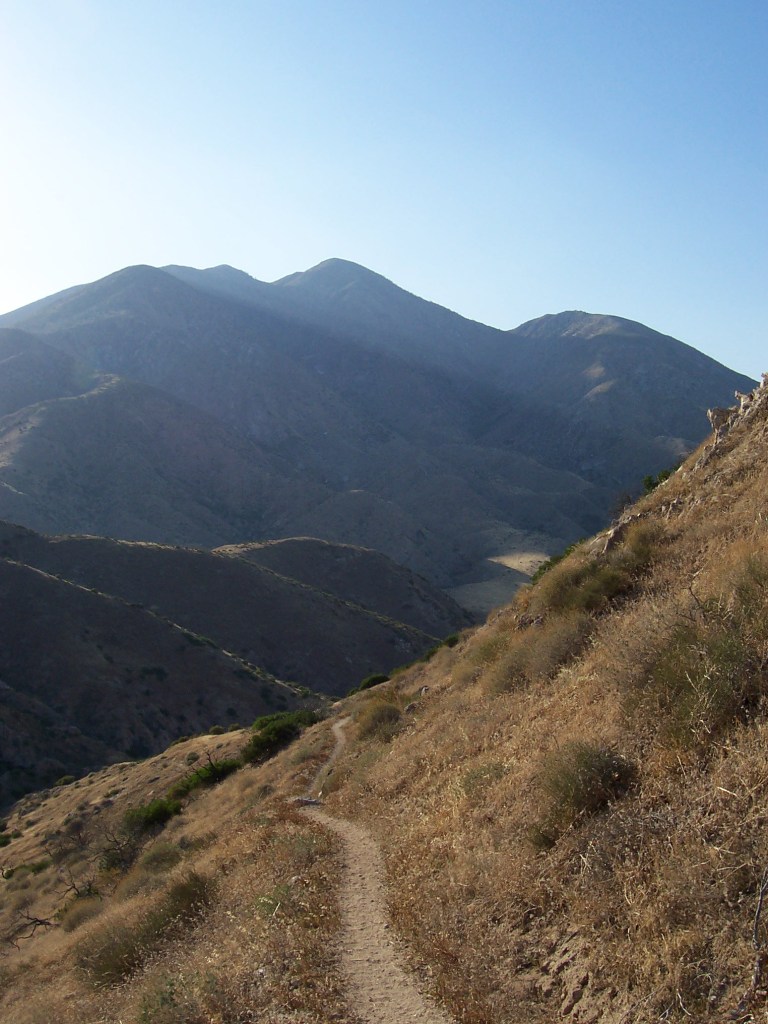
A view of the PCT through the dessert and headed northbound.

CD also has a hidden talent that he apparently picked up on the trail. He can open the ice cream freezer at any gas station and know exactly how many calories are in each option. I thought it was kind of bizarre until I read this record of his daily diet, however.

To learn more about CD’s 2004 PCT Thru Hike please follow our blog and check out these links.

https://ramblingfootsteps.travel.blog/2020/04/28/pacific-crest-trail-kick-off-thru-hike-throwback/ https://atomic-temporary-169313545.wpcomstaging.com/2020/05/02/hot-springs-fresh-fruit-and-friendships-pct-thru-hike-throwback/ https://atomic-temporary-169313545.wpcomstaging.com/2020/05/06/pct-southern-california-thru-hike-throwback/ https://atomic-temporary-169313545.wpcomstaging.com/2020/05/07/pct-packing-list-throwback-travel-journal/